
Category: Employee Value Proposition
-

Unlock hidden talent: AI recruitment reveals 70% more!
Traditional recruitment methods are failing to tap into 70% of available talent due to their focus on active job seekers. AI-driven signals and intent data enable proactive engagement with professionals subtly indicating readiness for opportunities. This approach improves hiring outcomes, reduces costs, and enhances employer branding by connecting with the hidden talent market.
-

The ultimate guide to modern technical recruitment in 2025.
Recruitment has changed a ton since the first agency opened in 1653. Nowadays, AI-driven platforms are key, but many still cling to outdated methods. Traditional agencies can’t keep up with the demand for skilled tech talent, leading to high costs and limited reach. It’s time for a fresh, strategic approach!
-

Job adverts: 7 essential secrets to writing that work.
The shift in talent acquisition is clear: most companies still rely on old-school job descriptions, which don’t connect with today’s candidates seeking meaningful job connections. To attract the right talent, companies need to tell engaging stories about culture and values, and use diverse media formats to resonate better with applicants.
-

Unlocking powerful skills-based recruitment today.
This article dives into skills-based recruitment for SMEs, which is key in tackling skills gaps. It highlights how focusing on real abilities over formal qualifications boosts retention and performance. Companies need to adapt to fast-changing skills demands, fostering continuous learning and diversity to strengthen their workforce and stay competitive.
-

Modern recruitment: Adapt to new realities
So, traditional hiring methods are kinda outdated now, especially with all the changes in the workplace. Companies need to be more flexible and innovative, focusing on data and employer branding. GMZ offers tailored services to tackle the unique issues in sectors like healthcare and retail, helping organizations save costs and hire smarter.
-

How to avoid the spray and pray recruitment trap.
Over the past year, our diagnostic tool has really helped companies tackle recruitment issues, especially when it comes to getting the right candidates. Instead of just buying more job credits, businesses should focus on improving their employer brand and candidate experience. Tailoring your messages and processes can genuinely attract better talent.
-

Job descriptions: The silent killer of successful recruitment
To attract top talent, reevaluate your recruitment strategy by updating job titles, improving job adverts, and enhancing your careers website. Ensure your application process aligns with role requirements, differentiate job descriptions from adverts, and feature authentic content that showcases your company culture. Engage with candidates effectively to make a lasting impression.
-

Redefining success: Can vital sectors thrive in a four-day world?
The UK is exploring a four-day workweek as part of Labour’s “New Deal,” causing impacts in hospitality, healthcare, and retail. While employees are split on salary versus flexible hours, challenges and opportunities arise. Will compressed hours boost productivity and attract talent? How can policymakers support sustainable changes? GMZ seeks input from frontline employers for innovative…
-

Unlimited leave unmasked: The hidden pitfalls of ‘too-good-to-be-true’ policies.
The recent article on ‘unlimited’ annual leave sparked important reflections. While the concept may have drawbacks, it prompts us to reimagine work structures and holiday policies. Embracing flexible hours, result-oriented performance metrics, and trust-based management could lead to a truly balanced and effective time-off strategy. Let’s shape the future of work-life balance together!
-
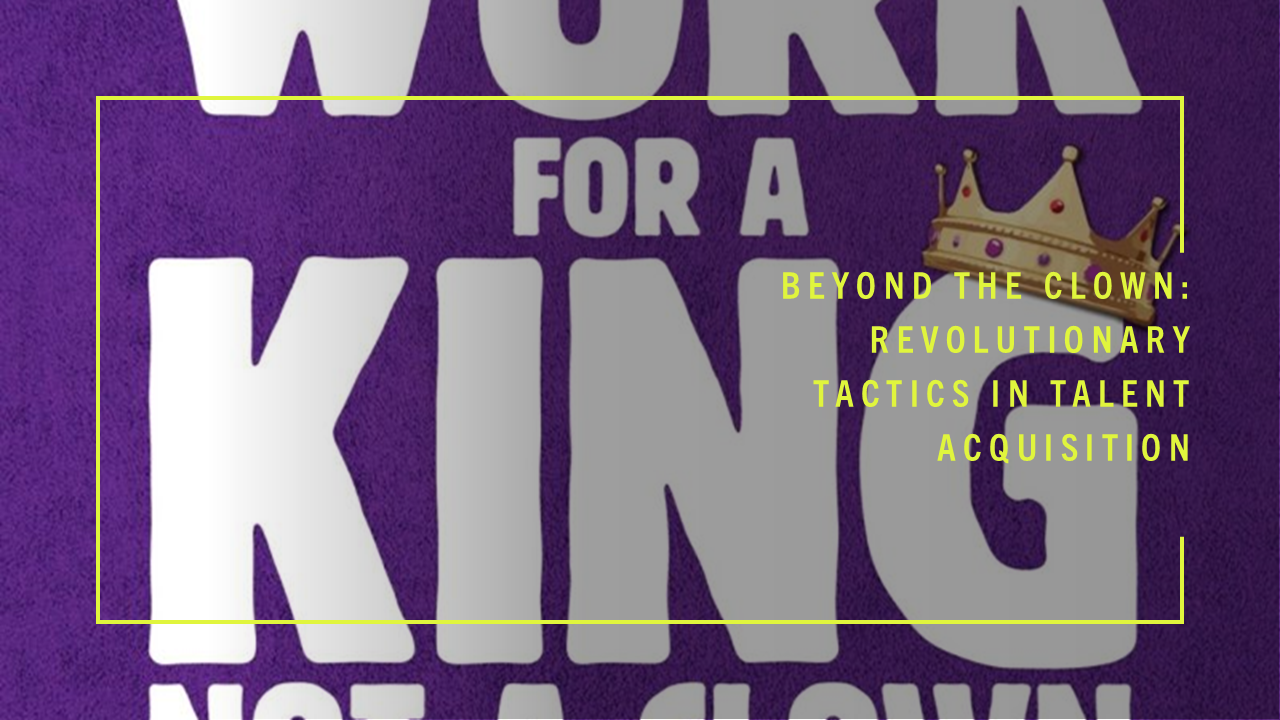
Beyond the clown: Revolutionary tactics in talent acquisition
Simon Gomez reminisces about impactful recruitment and marketing campaigns, such as Burger King’s “Work for a King, not a clown” and Nike’s “For Once, Don’t Do It” addressing social issues. He emphasizes the importance of understanding the audience in talent acquisition. He invites others to share memorable campaigns and their impact on career decisions.